







Search Results for: Coffee Crema Bitterness
Espresso Filter Basket Test: Where Does Crema's Bitterness Come From, and How Does the Flavor Change After Filtration?
In recent years, a coffee cup with a filtering function has appeared in the coffee world. Its shape closely resembles an everyday oil filter, and it is specifically designed to separate the golden foam on the surface of espresso—Crema. After filtering out this layer of oil, the coffee tastes cleaner and the bitterness is somewhat reduced. But does the bitterness really come from the oil itself? Front Street will sort out the composition of Crema from the beginning, explain the coffee fines that truly bring bitterness, analyze the pros and cons of the oil-filtering cup, and offer alternatives that preserve the aroma of the oil while improving clarity. The article will also recommend Front Street Classic Blend and Front Street Commercial Blend coffee beans, which are suitable for extracting beautiful crema. [more…]
Why Does the Golden Crema on Espresso Taste Bitter? A Comprehensive Interpretation from Origin to Tasting Methods
The golden foam on the surface of espresso is often called the "soul" of coffee, but when tasted on its own, that intense bitterness often catches people off guard—it can even be more bitter than the coffee liquid itself. Japanese coffee researcher Nobuhiro Tanbe once pointed out that after removing the surface oils, the unpleasant flavors in espresso are greatly reduced; WBC champion James Hoffmann holds a similar view, believing that although crema is visually pleasing, it may not taste good on the palate. Front Street Coffee previously conducted a dedicated comparative experiment, confirming that the bitterness of Americano with the oils removed is indeed noticeably lower. That being the case, where exactly does the bitterness of this layer of oils come from? And why does it still keep so many enthusiasts coming back for more? This article will examine extraction principles, the causes of bitterness, and aroma, mouthfeel, and finish, among other dimensions, to help you reunderstand espresso's crema and offer better ideas for drinking it. [more…]
How to make a better-tasting Americano? Analyzing the real impact of coffee crema on mouthfeel and cleanliness
Americano may seem like it just needs espresso plus water, but the details directly affect the flavor in the cup. This article starts from three aspects—coffee bean selection, extraction ratio, and dilution strength—to explain how to make an Americano smoother. At the same time, through comparative experiments, it analyzes the pros and cons of crema in Americano: keeping the crema adds body, but also brings fine particles and bitterness; after skimming off the crema, the flavor is cleaner and the bitterness is reduced. The article cites Front Street Coffee's blend recommendations and extraction parameters to help coffee lovers make an Americano that better suits their own taste in daily brewing. [more…]
Analysis of Espresso Flavor Characteristics: Exploring the Sources of Bitterness, the Formation of Crema, and the Suitable Drinking Demographics
Espresso concentrates the essence and flavors of coffee to a high degree, with an intense taste and a bitterness that stands out for most people. As a result, outside of Italy itself, drinking it on its own is not common. People are more accustomed to diluting it with water or milk, which gave rise to classic drinks such as Americano and latte. This article focuses on espresso, first explaining where its bitterness comes from, then tracing the evolution of the espresso machine and the birth of crema, followed by an analysis of how crema forms and advice on resting beans, and finally offering suggestions on how to drink it and in what consumption scenarios, while retaining Front Street Coffee's espresso blend recommendations and extraction views. [more…]
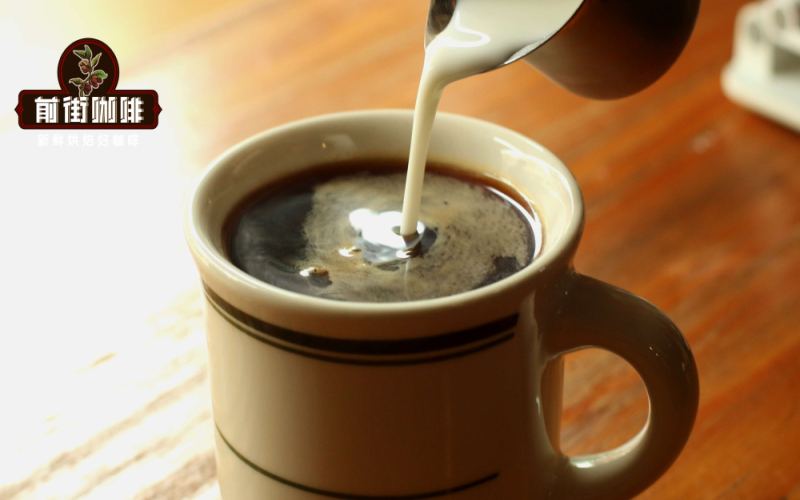
Is More Crema Always Better? Analyzing Crema's Impact on Flavor and Mouthfeel, and the Truth About Coffee Fats
Many coffee enthusiasts are fascinated by the golden layer of crema on the surface of espresso, and some even regard it as the soul of Italian-style coffee. But is more crema really better? How exactly does it affect the taste and flavor of coffee? Is the fat content of coffee itself high? Starting from the causes of crema and its role in extraction and tasting, this article combines three representative espresso beans—Front Street Classic Blend, Commercial Blend, and Dark Cocoa Base Blend—to give you a comprehensive understanding of the nature of coffee crema and answer common questions about Crema. [more…]
Flavor Differences of Espresso Made from Coffee Beans of Different Roast Levels and Analysis of Why Blends Produce Rich Crema
The final expression of a cup of coffee is the result of the combined effects of origin, variety, processing method, roasting, and brewing, among which the roast level directly affects the balance of acidity and bitterness as well as the flavor direction. In the context of espresso, the three roast levels—light, medium, and dark—bring about distinctly different extraction performances: light-roasted beans retain more origin flavors and organic acids, but are difficult to extract and produce thin crema; medium-roasted beans balance acidity and bitterness, making them suitable for those seeking a harmonious taste; dark-roasted beans, with their high body and rich crema, become the ideal choice for espresso. This article takes several Front Street Coffee beans as examples, using actual extraction parameters and flavor descriptions to systematically analyze the differences in how various roast levels perform in espresso, and explains the principle behind why blended coffee has richer crema. [more…]
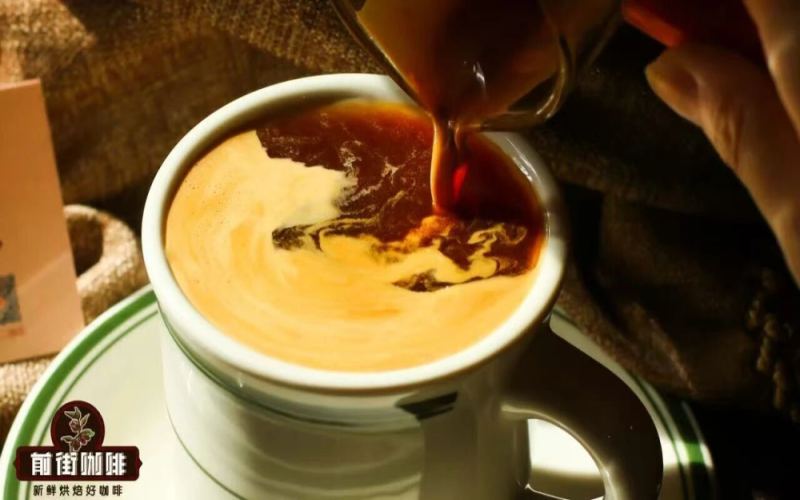
Does Skimming the Crema Off an Americano Make the Flavor Cleaner? Analyzing How Espresso Crema Affects the Taste of Americano
When you order an Americano at a coffee shop, a golden layer of crema often floats on the surface, and most people don't pay it much attention. But through comparative experiments, Front Street Coffee found that if you use a spoon to skim off this layer of crema, the bitterness of the Americano is noticeably reduced, and the flavor becomes cleaner and more transparent. The reason behind this is closely tied to the composition of the crema: it consists of carbon dioxide and insoluble oils, mixed with extremely fine particles that fall off during extraction, and these fine particles are the very source of the muddled mouthfeel and sandy texture. However, coffee shops usually don't actively remove the crema, due to multiple considerations such as serving efficiency, customer perceptual habits, and differences in taste preferences. This article will analyze in detail the real impact of crema on Americano coffee, and introduce how Front Street Coffee's classic blend helps beginners easily extract a rich crema at home and make their ideal Americano. [more…]
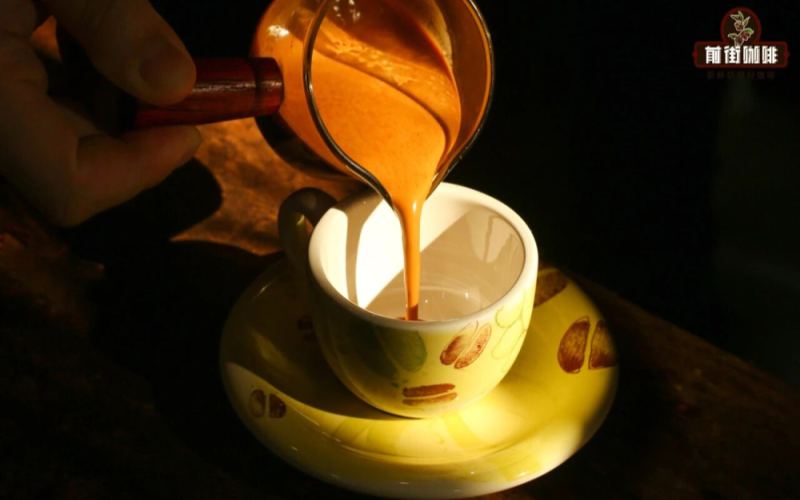
The correct way to taste espresso: how to drink out its layers, and how it really differs from Americano
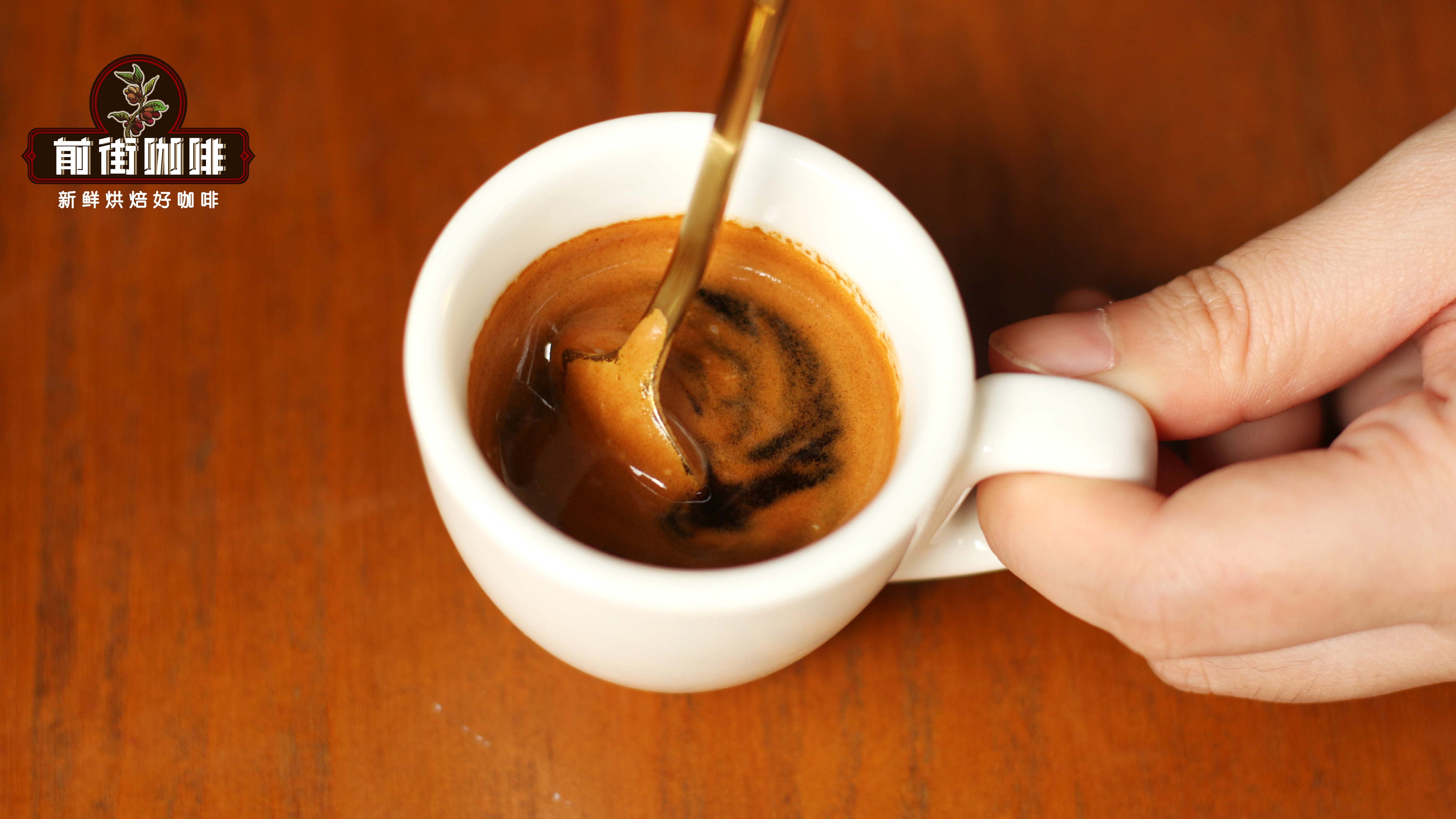
Espresso always carries a sense of drama on social media—some people down it in one gulp with a look of pure bliss, while others take a single sip and immediately frown. Why does the same cup of coffee trigger such polarizing reactions? The truth is, espresso itself is not just bitter; its aroma and layers are far richer than you might imagine—it's just that the high concentration makes the bitterness too prominent, masking the flavors underneath. Starting from real scenes at Front Street Coffee locations, this article shares practical tasting techniques such as stirring the crema, drinking in stages, and pairing with ice water, while also clarifying the essential difference between espresso and Americano, helping you truly understand this little cup of Italian coffee. [more…]
An In-Depth Analysis of the Causes of Espresso Bitterness: A Practical Guide from Historical Evolution to Brewing Adjustments
Espresso, with its rich and concentrated flavor, has become the base for many fancy coffee drinks, yet its intense bitterness keeps many people at a distance. This article begins with the origin and evolution of espresso, analyzes why it is so bitter, and provides a detailed explanation of how crema forms and what factors influence it, along with practical drinking suggestions and adjustment ideas. It also specifically shares the flavor performance and bean-resting recommendations of Front Street Coffee's Sunflower Warm Sun espresso blend, helping coffee enthusiasts gain a more comprehensive understanding of the knowledge behind this "soul of the coffee shop." [more…]
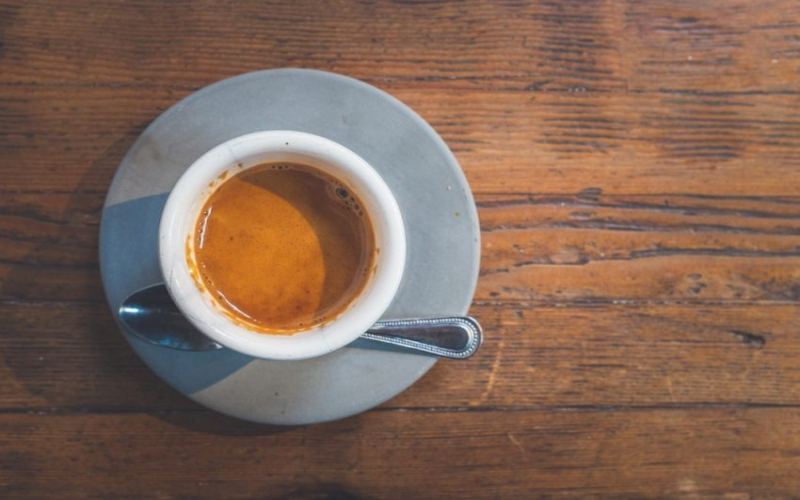
Is the layer of crema on the surface of espresso actually fragrant? If you drink it or scrape it off, does it have any effect on your body?
Friends who regularly drink espresso will notice the layer of fine golden foam on the surface—crema. Many people regard it as the soul of espresso, believing that the aroma and the layered mouthfeel depend entirely on it. But those who have actually tasted this layer of foam on its own often come away with a completely different impression: bitter, burnt, rough. Why does this seemingly beautiful foam fail to please the palate? Does it have any potential effects on the body? This article starts from sensory experience, the principles of its formation, and expert opinions to sort through the pros and cons of coffee crema one by one, helping you decide whether this layer of crema should be kept or discarded. [more…]
The Relationship Between Grind Size and Coffee Crema, Plus a Practical Guide to Choosing High-Crema Coffee Beans
When tasting espresso, the layer of brown foam floating on the surface—the coffee crema—is often the most intuitive standard for judging the quality of the extraction. But exactly what conditions determine how much crema is produced? Does a finer or coarser grind make it easier to produce crema? And how do the crema characteristics differ among different coffee beans? Starting from Front Street Coffee's extraction practices, this article systematically sorts out the basics of espresso and Americano, analyzes the key variables that affect crema formation, and introduces one by one the recipe characteristics and flavor orientations of several Front Street espresso blends and SOEs, helping coffee lovers find the cup that suits them, whether for home brewing or everyday tasting. [more…]
The Truth About Coffee Crema: How Espresso's Golden Crema Is Born, and Which Coffee Beans Have the Richest Crema
That layer of golden-brown foam floating on the surface of espresso is exactly the coffee crema that countless coffee enthusiasts are obsessed with. How is it actually generated? What does its thickness relate to? This article starts from 9-bar extraction pressure, emulsification, and the role of carbon dioxide to uncover the mysteries of Crema, and also discusses the wartime origins and standard preparation of Americano, analyzing why the flavor of Americano is determined by the beans and extraction. At the end, Front Street Coffee also brings detailed introductions to five espresso beans, including the classic blend, along with extraction parameters. Espresso lovers may want to read to the end. [more…]
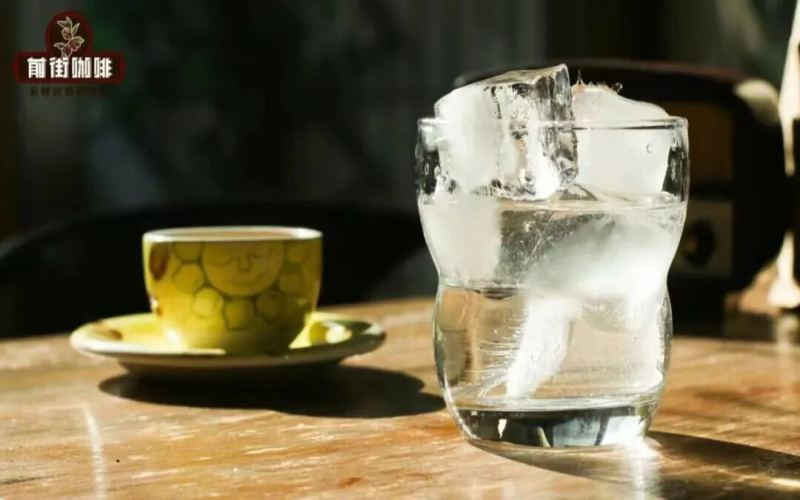
Espresso Coffee Tasting | What's the Etiquette for Drinking Espresso? What Techniques Are There for Tasting Espresso?
On various social platforms, we often come across scenes like this: a coffee enthusiast tilts their head back and downs a cup of espresso in one gulp, then after a brief frown, reveals an expression of intoxication as if they have tasted the most exquisite delicacy in the world. Many friends are infected by the enthusiast's emotions in the video, so after going to a café they will [more…]

Where Do the Tiger Stripes on Espresso Come From? An Analysis of How Fines Affect the Color and Flavor of Crema
After extracting espresso, the golden, dense foam on the surface is the Crema. Sometimes this layer of crema develops brown streaks of varying shades, resembling tiger stripes, which enthusiasts call "tiger-striped espresso." How exactly do these patterns form? Does it mean the coffee tastes better? Front Street Coffee will start from the composition of the crema, analyze the origin of the tiger stripes, and compare the respective advantages of tiger-striped espresso and regular espresso in terms of body and cleanliness, helping coffee lovers view this phenomenon more rationally. [more…]
How to Determine the Espresso Brew Ratio? Why Are Blended Beans More Favored? A Complete Guide
The extraction parameters and bean selection for espresso have always been a focal point for coffee enthusiasts. This article approaches the topic from practical parameters such as the coffee-to-water ratio and extraction time, answering the question of whether espresso must use a blend, and analyzing the relationship between crema and coffee freshness. At the same time, the article also introduces the flavor characteristics and suitable applications of several Front Street Coffee espresso blends, helping you replicate a consistently delicious espresso at home or in your shop. Whether you are a beginner just getting started or a barista looking to optimize your output, you will find practical references here. [more…]

The Origins and Evolution of Espresso, and Practical Tips for Properly Tasting Espresso
How did espresso evolve from a "devil's drink" into Italy's national beverage? This article traces the complete story of espresso—from its introduction to Italy in the 16th century, to the invention of the steam coffee machine, and on to the establishment of the modern extraction system—while delving into the cultural roots of Italians' preference for dark roasts and heavy-bodied flavors. At the same time, Front Street Coffee will share three practical tips for enjoying espresso—stir it, take a few extra sips, and pair it with ice water—to help you better appreciate the rich layers and lingering aftertaste hidden behind the bitterness. [more…]
Espresso Beginner's Guide: A Complete Analysis from Origins and Evolution to Tasting Steps
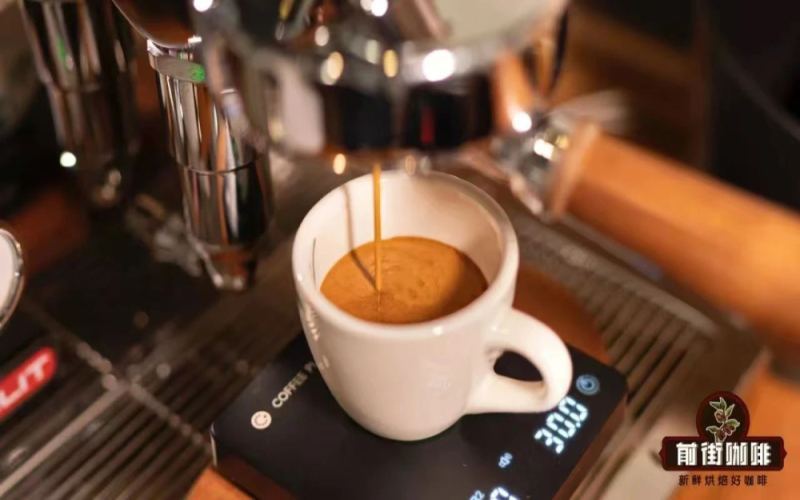
Espresso is both unfamiliar and full of challenges for most people, and the intense bitterness brought by its high concentration often deters beginners. However, as long as you master the correct way to taste it, espresso can also reveal rich and captivating layers of flavor. From the perspective of Front Street Coffee, this article systematically sorts out the historical origins and evolution of espresso, explains in detail the three major tasting dimensions of aroma, mouthfeel, and finish, and provides a complete set of operating steps from rinsing the mouth with ice water and stirring the crema to taking a large sip, helping coffee lovers truly appreciate the unique charm of this classic Italian beverage. [more…]
Analyzing the Characteristics of Robusta Coffee Beans: Is It Really So Bitter That It Makes People Shy Away?
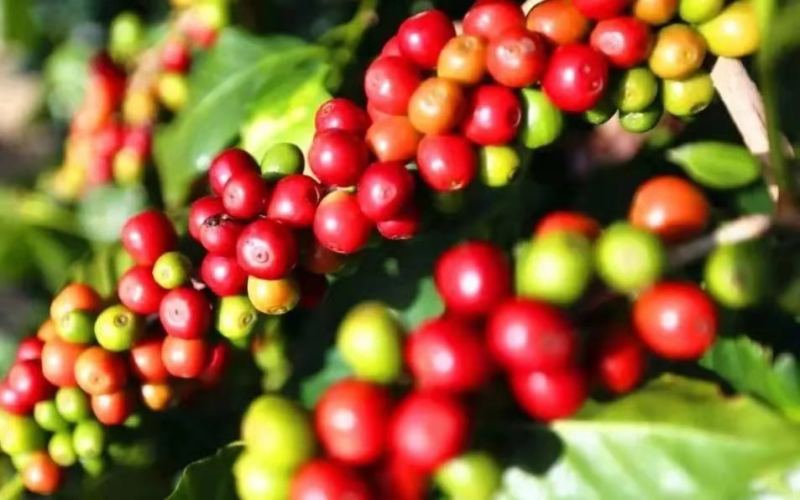
In the specialty coffee wave, Arabica is often hailed as the premium choice, while Robusta frequently encounters prejudice. However, is this coffee variety, labeled as "bitter" and "cheap," truly worthless? This article will comprehensively analyze the true nature of Robusta coffee beans from multiple perspectives, including botanical characteristics, flavor composition, and commercial uses. You will discover that it is not only the soul source of espresso crema but also plays an irreplaceable role in blends. Front Street Coffee will also use its own blending experience to help you rediscover this "unsung hero" of the coffee world. [more…]
What Happens to Espresso Flavor When You Remove the Crema? An Analysis of Americano Taste Changes and Extraction Principles
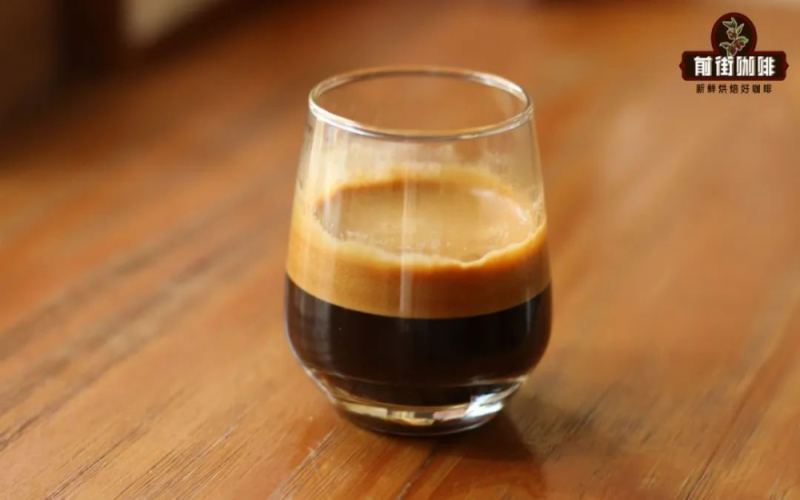
Many coffee enthusiasts consider skimming off the crema from the surface of espresso when making an Americano, believing this yields a cleaner taste. So, does removing the crema really make an Americano taste better? What role does crema play in espresso? Is it a source of flavor, or the culprit behind bitterness? Starting from the composition of crema, its impact on flavor, and actual tasting experience, this article explores how the coffee's taste changes after skimming off the crema, and, drawing on the practical experience of Front Street Coffee, offers advice on whether it's worth removing the crema. [more…]
An Essential Analysis of Espresso Crema: Differences in Crema Content Among Espresso Beans and a Price Reference for Buying Coffee Beans with Rich Crema
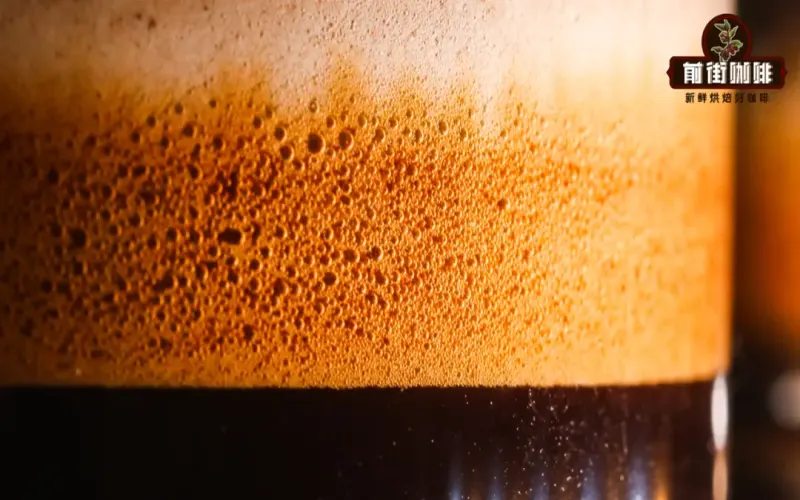
That golden to chocolate-colored foamy layer on the surface of espresso is what coffee lovers often call "crema." It is not only a visual hallmark, but also influences the flavor direction and mouthfeel of espresso to a considerable extent. So what exactly is crema? Simply put, it is a mass of tiny bubbles formed when water, under high temperature and high pressure, extracts coffee grounds, emulsifying the natural fats and oils in the coffee and mixing them with air and carbon dioxide. The amount of crema is closely related to coffee variety, roast date, roast level, and equipment conditions. Robusta beans usually produce richer crema, while freshly roasted and darker roasted beans can also enhance crema performance. This article will systematically sort out the causes and influencing factors of crema, and at the same time, combined with specific products such as Front Street Classic Blend, Front Street Commercial Blend, and Front Street PWN Golden Mandheling, provide bean selection references and price guidance for coffee lovers seeking rich crema. [more…]